
In diplomacy, discretion is currency. It buys trust, creates room for compromise, and signals seriousness to allies and adversaries alike. When discretion collapses, so does credibility.
That is the context in which Donald Trump's decision to publicize private messages—messages exchanged with foreign leaders, intermediaries, and officials—has detonated across diplomatic circles, newsrooms, and capitals around the world. What might have played as a fleeting online flourish instead hardened into a case study in how not to wield power in the age of screenshots.
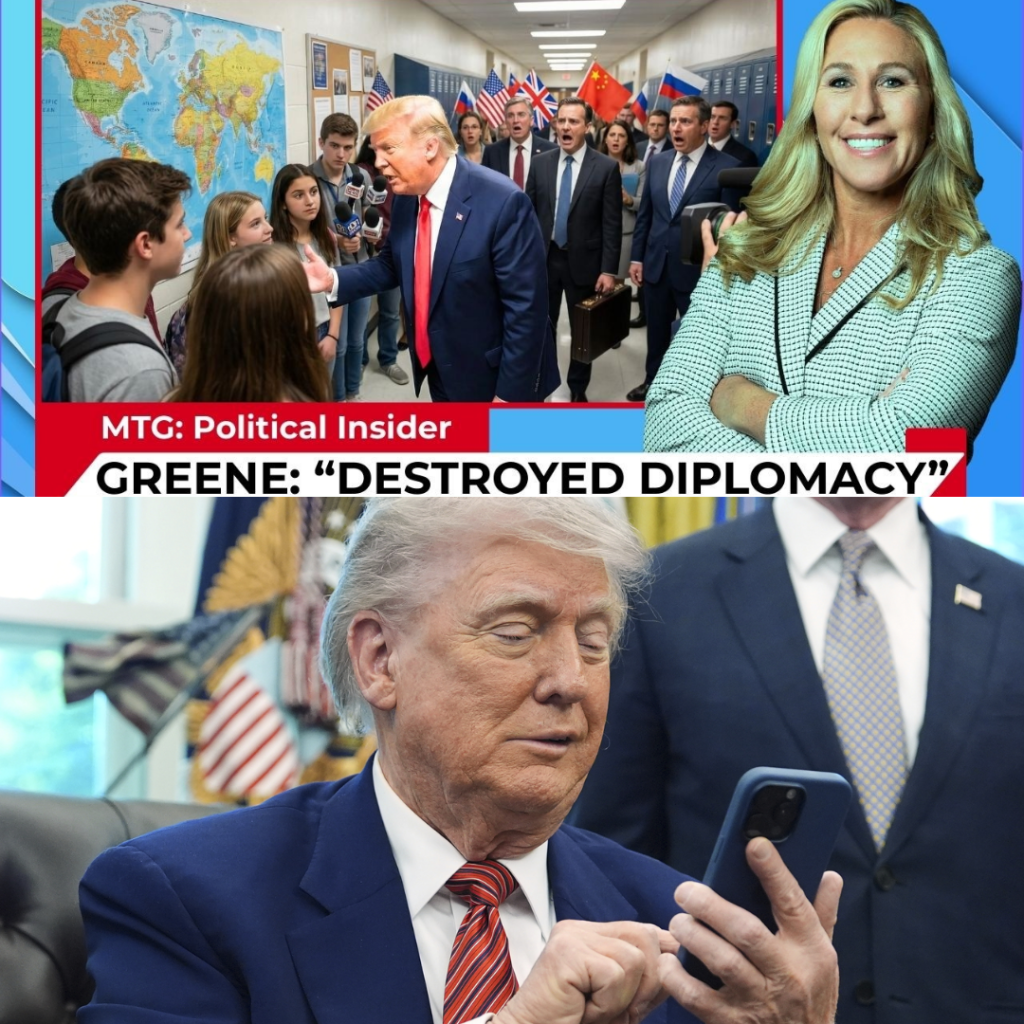
The moment was jarring not because private communications leak—history is littered with leaks—but because of who pressed "publish" and why. A president or former president choosing to broadcast private texts as a show of dominance, grievance, or score-settling transforms a routine exchange into a spectacle.
The optics were unmistakable: power exercised not through statecraft, but through exposure. The reaction was equally unmistakable: unease, disbelief, and a recalibration among those who once assumed their words would remain confidential.
The Day Diplomacy Went Public
The release unfolded quickly. Trump posted excerpts of private messages, framed as proof points in an ongoing dispute. The presentation was casual, almost flippant—cropped bubbles, selective timestamps, captions that nudged readers toward a single conclusion. The intent was clear: win the moment, own the narrative, demonstrate leverage. The effect was something else entirely.
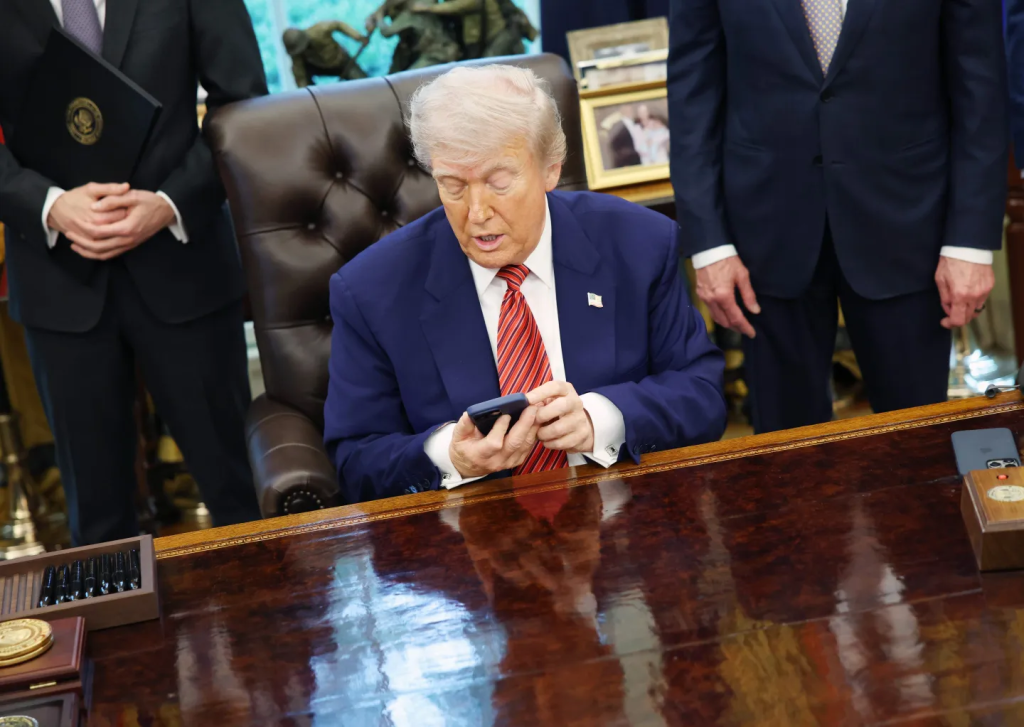
Within minutes, analysts began parsing not just what was said, but what the act of publishing said about the publisher. Former diplomats recoiled. Current officials went quiet. Foreign ministries issued measured statements that read, between the lines, like warnings. The content of the texts mattered, but the breach mattered more. Once private lines are fair game, the logic of frank exchange collapses.
One European envoy put it bluntly: "If private messages can be turned into public weapons, then we stop speaking privately. And when private channels close, misunderstandings multiply."
A Pattern, Not a Slip
To understand the scale of the fallout, it helps to recognize the pattern. Trump has long favored transparency-by-theater—revealing selective details to assert dominance or counter criticism. In domestic politics, this approach can electrify a base. In diplomacy, it corrodes trust.
Private texts are not policy documents. They are working tools. They contain half-formed ideas, tone calibrations, and exploratory language that allows leaders to test options without locking positions in public. By dragging those tools into the spotlight, Trump did more than embarrass counterparts; he undermined the very process that allows complex problems to be managed without escalation.
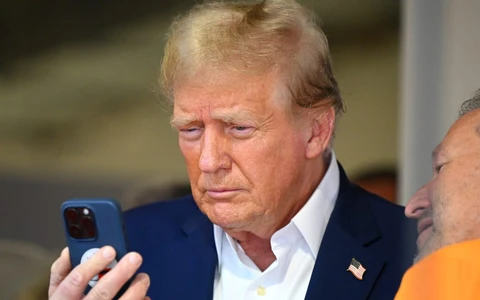
Seasoned negotiators describe diplomacy as a series of protected spaces. Break the protection, and the space collapses. That collapse doesn't just sting today—it echoes. The next time a crisis erupts, the instinct to speak candidly will be gone.
Allies Take Notes—and Distance
The immediate diplomatic response was restrained, but the strategic response was decisive. Allies quietly adjusted. Communications shifted to more formal channels. Messages became shorter, blander, and more lawyered. Where there had been candor, there was now caution. Where there had been warmth, there was now distance.
This recalibration is not symbolic. It changes outcomes. Informal backchannels often defuse tensions before they harden into policy. They allow leaders to signal red lines without grandstanding. When those channels are no longer safe, misunderstandings metastasize.
A former ambassador to Washington noted, "We didn't stop talking. We stopped saying anything that mattered."
The "Mean Girl" Frame—and Why It Stuck
The phrase that caught fire—"like a high school mean girl"—did not stick because it was insulting. It stuck because it captured the perceived motive: exposure as punishment, humiliation as leverage, applause as validation. The critique was less about style than substance. Diplomacy is not a popularity contest. It is a discipline built on restraint.
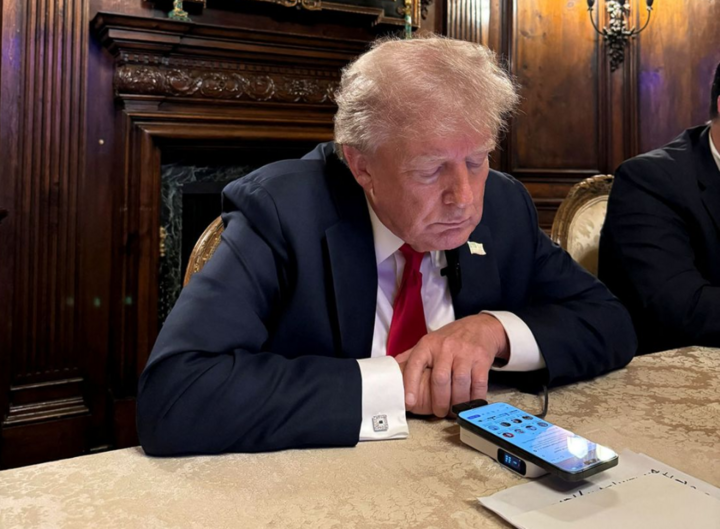
The comparison resonated across social media because readers recognized the tactic. Screenshots are the currency of online feuds. They freeze context, amplify slights, and invite pile-ons. Transplanted into international relations, the tactic reads as unserious—and dangerous.
What the Texts Revealed—and What They Didn't
Ironically, the content of the messages failed to deliver the knockout blow implied by their release. Observers noted familiar themes: transactional language, demands framed as tests of loyalty, frustration with process. None of it shocked seasoned watchers. What shocked them was the choice to publish.
In diplomacy, the reveal is rarely the revelation. The revelation is the reveal. By turning private exchange into public theater, Trump signaled that confidentiality itself was conditional. That signal reverberated far beyond the specific dispute.
The Legal Line vs. the Norm Line
Defenders argued that publishing private messages is legal. That may be true. But diplomacy does not run on legality alone. It runs on norms. Break enough norms, and the system stops working even if no law has been violated.
This distinction matters. Leaders can stay within the letter of the law while torching the unwritten rules that make cooperation possible. The backlash, then, is not about statutes. It is about stewardship.
Markets, Militaries, and the Cost of Noise
Diplomatic trust is not an abstract virtue. It has material consequences. Markets react to instability. Militaries posture when communication falters. Allies hedge when predictability evaporates. By injecting noise into private channels, Trump increased the risk premium across multiple domains.
Security experts warned that adversaries study these moments closely. If allies fear exposure, adversaries exploit silence. If channels close, miscalculation becomes more likely. The cost is borne not by reputations alone, but by stability.
The Image That Traveled the World
International media seized on the imagery: cropped texts, bold captions, a leader performing grievance for an audience. In capitals accustomed to understatement, the spectacle confirmed existing doubts. Headlines abroad framed the episode as a lesson in volatility.
One Asian diplomat summarized the sentiment succinctly: "We plan for consistency. This tells us to plan for surprises."
The Chilling Effect
Perhaps the most enduring consequence is the chilling effect on future engagement. Officials who once spoke freely now choose words as if every sentence could be displayed on a screen. That self-censorship narrows options. It pushes conversations into rigid formats ill-suited to nuance.
Diplomacy thrives on ambiguity when clarity would inflame. The leak culture kills ambiguity. Everything must be defensible in public, which means the safest thing to say is nothing at all.
A Self-Inflicted Wound
From a purely strategic perspective, the move was self-defeating. The short-term dopamine of a viral post gave way to long-term erosion of influence. Power is not just the ability to speak; it is the ability to be heard. By breaking trust, Trump made it harder for his words to carry weight when it counts.
This is the paradox of exposure politics: the more you reveal to win a moment, the less leverage you have tomorrow.
Inside Washington: Quiet Alarm
Behind closed doors, the reaction was sharper than public statements suggested. Policy professionals worried about precedent. If private texts are fair game, what stops future leaders from weaponizing every exchange? The answer—self-restraint—looks fragile when restraint is mocked as weakness.
Career officials stressed that trust, once lost, is slow to rebuild. It requires consistency across administrations, assurances that stick, and time. Lots of time.
The Personal vs. the Presidential
There is also the question of role. Private individuals can choose to air grievances. Presidents and those who seek the presidency carry the weight of the office even when posting from personal accounts. The line between personal vindication and national interest matters.
In this episode, critics argue, the line was crossed. The nation's diplomatic capital was spent to settle a score.
What Comes Next
The immediate storm will pass. News cycles move on. Screenshots fade. But the recalibration remains. Foreign counterparts will remember who published and who didn't. They will adjust accordingly.
Future engagements will be more scripted, more guarded, and less productive. That is not a punishment imposed by critics; it is a rational response by partners protecting themselves.
Lessons Ignored—and Relearned
History offers plenty of reminders that diplomacy is a craft, not a vibe. It rewards patience and punishes exhibitionism. Leaders who treat private channels as props often discover that public megaphones cannot substitute for trust.
This episode will be taught, informally if not in classrooms, as a cautionary tale: how a single decision to publish can ripple through alliances, markets, and security planning.
The Verdict From Abroad
If there is a verdict, it is not delivered by pundits but by practice. When calls go unanswered, when messages return sanitized, when meetings grow formal and thin, the judgment is clear. The system has adapted—to reduce risk.
That adaptation is the quiet cost of a loud moment.
Closing the Loop
Publishing private texts may win applause in the short run. It may feel like strength. But in diplomacy, strength is the confidence to keep things private, to absorb slights without spectacle, and to protect the channels that prevent crises.
By choosing exposure over discretion, Trump turned a disagreement into a diplomatic disaster. Not because the messages were devastating, but because the act of publishing them was.
In the end, the world did not learn something shocking about foreign leaders. It learned something sobering about how fragile trust can be—and how quickly it can be thrown away.